Review: 7Mesh Guardian Waterproofs
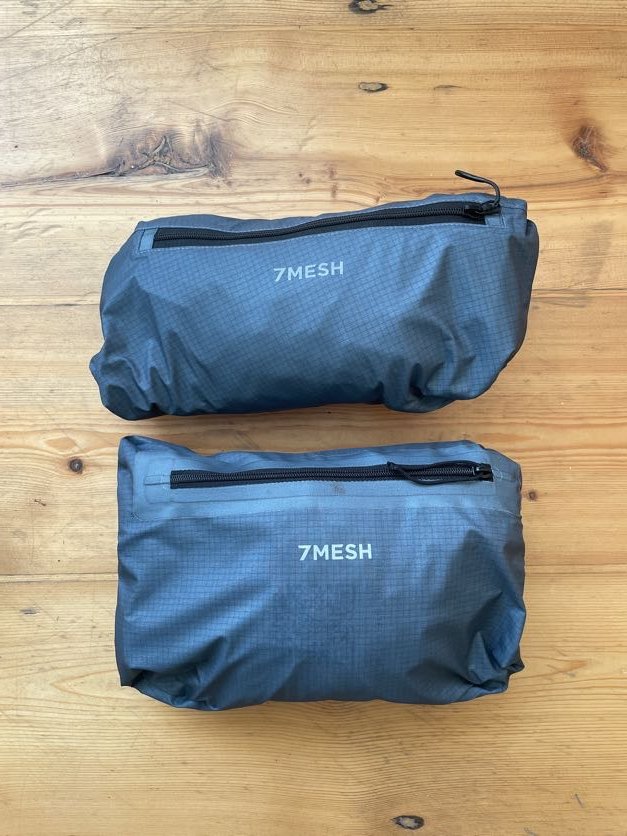
The best waterproof layers are the ones you actually have to hand when you need it. Which for me often means carrying a full-set ‘just in case’. At a combined weight of just 405g, are 7mesh’s multi-sport Guardian Air Jacket and Guardian Apex Pants the solution to always making sure you’ve got the right gear when the weather turns?
I am a waterproof jacket’s worst nightmare. I run hot, hate carrying unnecessary weight and bulk, and would generally rather get rained on than spending a day sweating inside a hardshell or constantly stopping to disrobe. But living in the UK, that strategy will only get you so far.
There is always a pre-ride toss-up between ‘I should probably take a waterproof’ and ‘this layer is too bulky, I’d rather risk getting wet’, which for me has led to some type-2 rides over the years. As I’ve become more of a weight weenie on bikepacking trips and have slimmed down my kit, I still haven’t found waterproof layers that are a no-brainer to pack.
Why I chose the 7mesh Guardian Air Jacket and Guardian Apex Pants
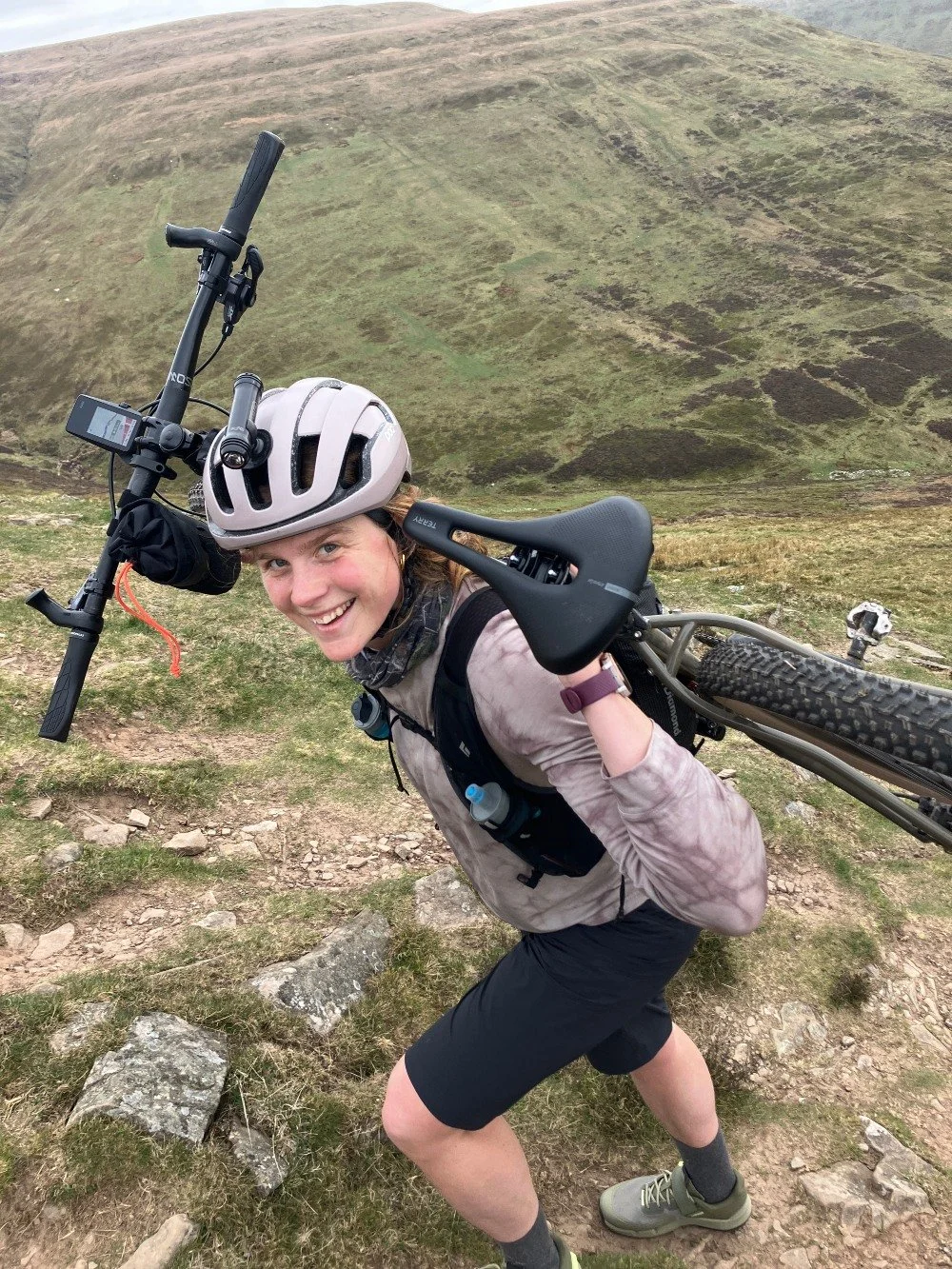
Riding a bike is fun, but what about all the other activities out there? I am unapologetically a jack-of-all-adventures, and I like my gear to work across different activities, mainly cycling, bikepacking, mountaineering, ski-touring, trail running and climbing – I’m always looking for ‘one quiver’ equipment that can pull double or triple duty.
With these activities in mind, weight matters enormously to me and I’m often carrying things just in case. If something can be smaller without compromising performance, that’s a huge win. I also run incredibly hot (I wear a tank top while skinning uphill on skis in sub-zero, just to avoid being sweaty for the descent), so breathability is crucial to my enjoyment in the outdoors. This means I generally avoid wearing waterproofs unless it’s very rainy and cold – I’d rather be wet from above than existing in a boil-in-the-bag of my own making.
My main waterproof is a 5-year-old Arc’teryx Beta jacket, which I wear for pretty much everything. Admittedly, I didn’t choose it for any specific features, but won it in a raffle at the Arc’teryx Whistler store while living in Canada. It has served me well but lacks ventilation or features like a helmet-compatible hood, so for anything a little more serious I have a thicker GoreTex Pro Mountain Equipment jacket I bought for winter excursions even longer ago. Finally, I have a bulky Paramo Velez smock that I wear mainly for commuting in the worst weather – it keeps me warm and dry, but for me is too hot for me to wear on anything other than a 30 min ride through town. Needless to say, I need to update my waterproof game before El Niño brings even heavier rain this winter.
When it comes to trousers, I’m even more hesitant to carry something ‘just in case’. A pair of GoreTex full zip Mountain Equipment trousers accompany me on most wet missions, but they are quite specifically designed for hill-walking and too baggy for the bike.
Developing clothes for use in coastal British Columbia – a literal rainforest where it rains a heck of a lot (I can testify that Squamish is wetter than an otter’s pocket) – Squamish-based brand 7mesh seemed like the obvious place to look for the illusive waterproof-breathable-packable triad clothing. After a decade of using cycling as its testing ground, 7mesh is putting its technical expertise into creating alpine-focused apparel for other activities like trail running, climbing and skiing. That’s where the Guardian range fits in, and why it’s particularly appealing to someone like me who doesn’t want a different wardrobe for each activity.
GORE-TEX has also moved on significantly since my older shells. As concerns grew over their persistence in the environment and potential impacts on human health, the last decade has seen the forever chemicals that created our waterproof membranes (PFAS) have been progressively phased out of waterproof jacket production. The shift has accelerated due to tighter regulations, particularly in Europe, and the development of PFAS-free waterproofing technologies that offer comparable performance.
With that in mind, a few years ago, GORE-TEX launched expanded Polyethylene (ePE), to create a light, thin, strong and waterproof-breathable membrane made without added forever chemicals. Compared to previous membranes, ePE has a reduced carbon footprint, utilises laminates made from recycled and solution-dyed textiles, and has stronger environmental textile credentials. The waterproof rating is 28,000mm, which is comparable to GORE-TEX Active and Paclite Plus – aka, it is considered to be very waterproof.
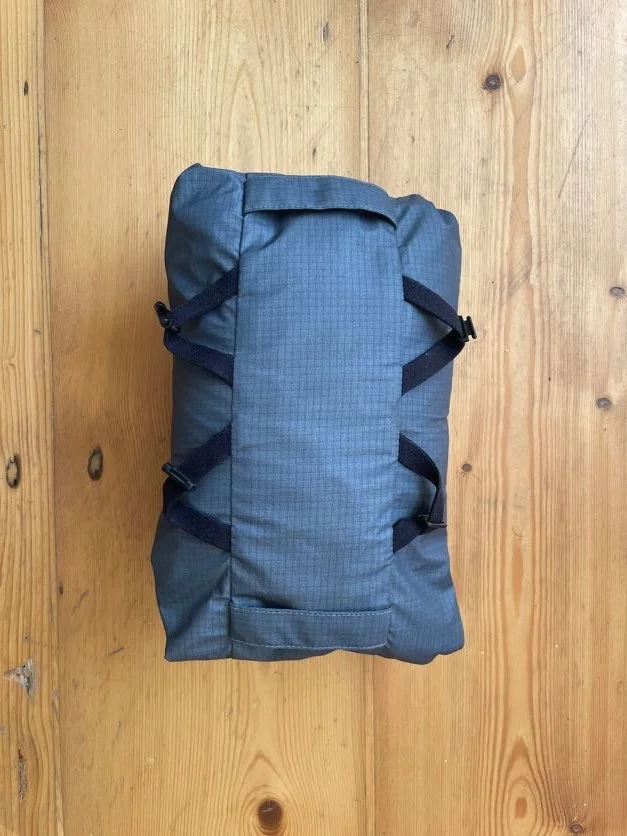
Ultimately, it was these featherweight and packable credentials that caught my attention. The jacket (women’s medium) weighs in at just 180g, and the trousers (women’s medium) at 225g. I figured, even if these weren’t the most breathable, there’s no excuse not to pack them if there’s any precipitation in the forecast.
So can something this small and light really keep you dry?
Out of the Box
My first reaction was that surely they had forgotten to pack something in the parcel that arrived at my door. It was so sleek and light, there was no way there were waterproof layers in there.
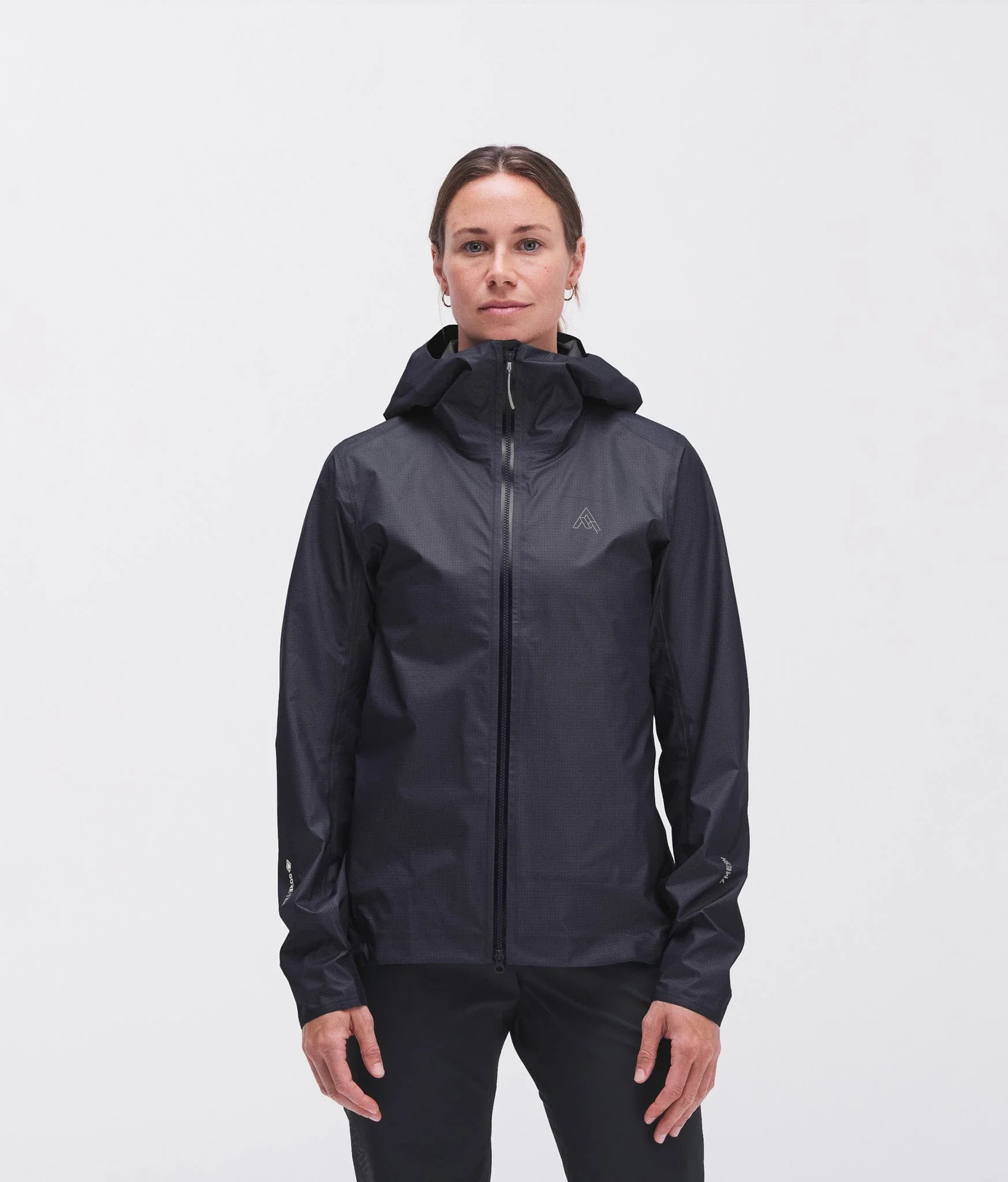
Pulling out the jacket first, its futuristic sheen immediately stood out as very different from the usual matte outdoor shell material I’m used to. The fabric felt paper-thin, almost transparent. There’s no way this will survive a Scottish downpour, I thought. This is down to the 15-denier outer fabric, which is the lightest commercially available ePE fabric out there. The medium fit me well – enough room for an insulated layer underneath, but not so much fabric that it would flap around.
To save weight, the jacket has been stripped of many features you might find on a waterproof shell like pit-zip vents and extra pockets, and this lack of ventilation made me wary. An internal zipped pocket doubles up as a stash pouch for the jacket, and an open internal pocket provides space for other small items.
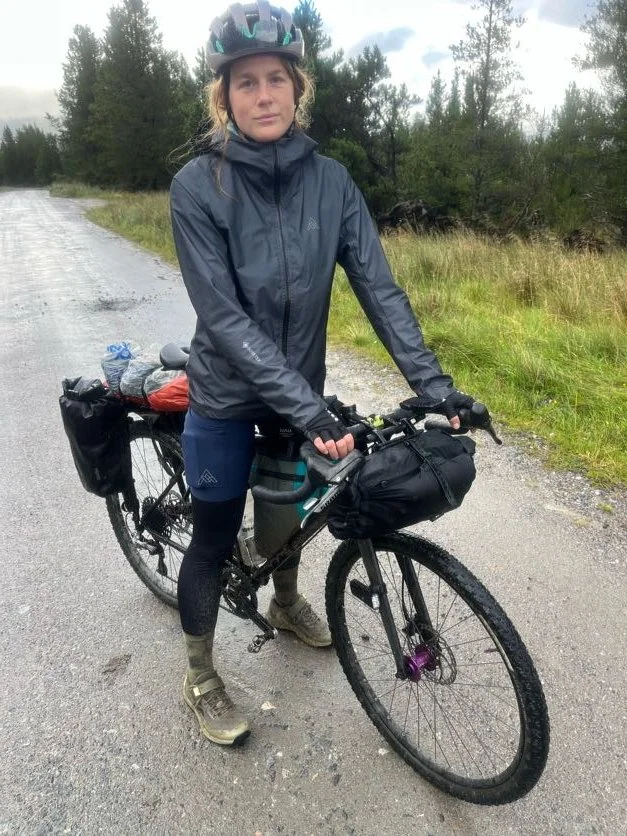
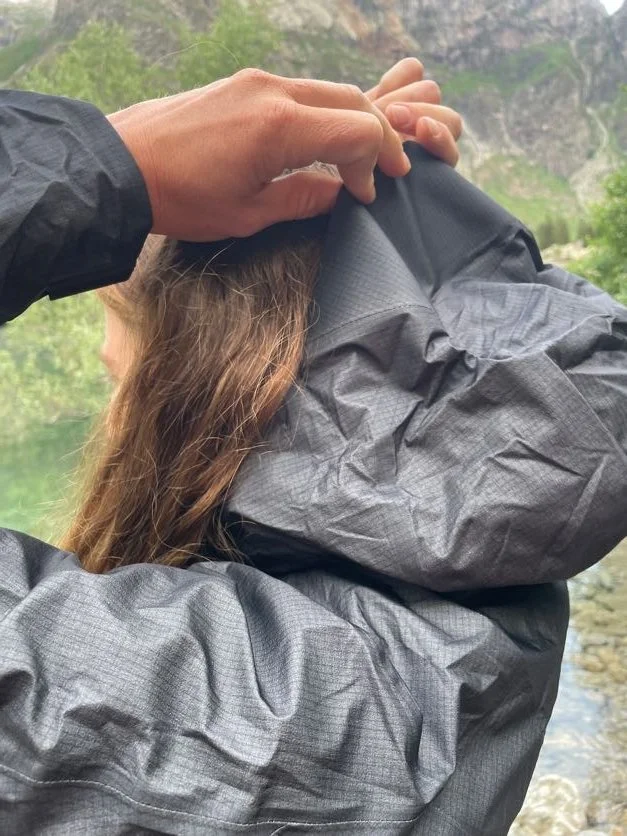
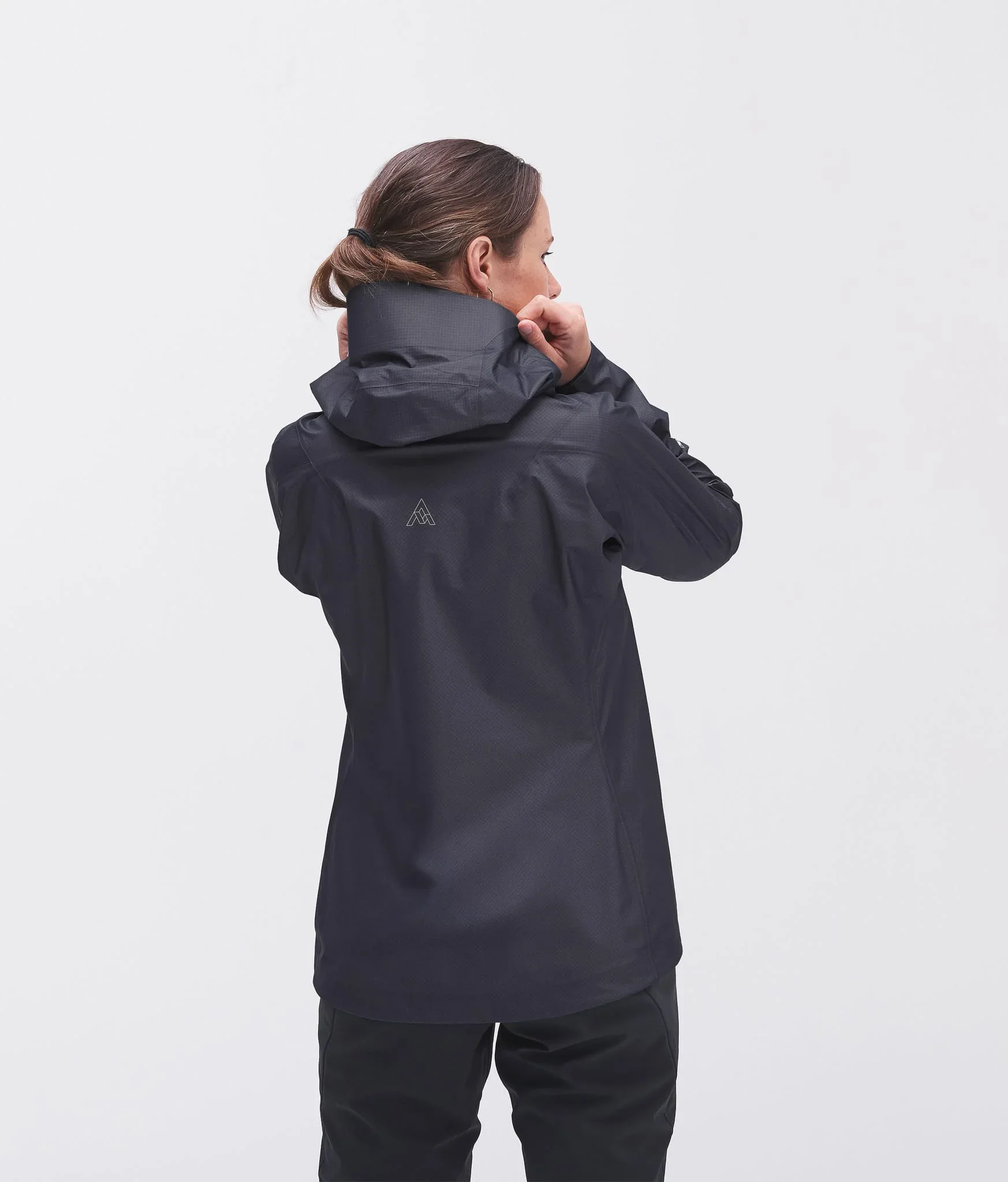
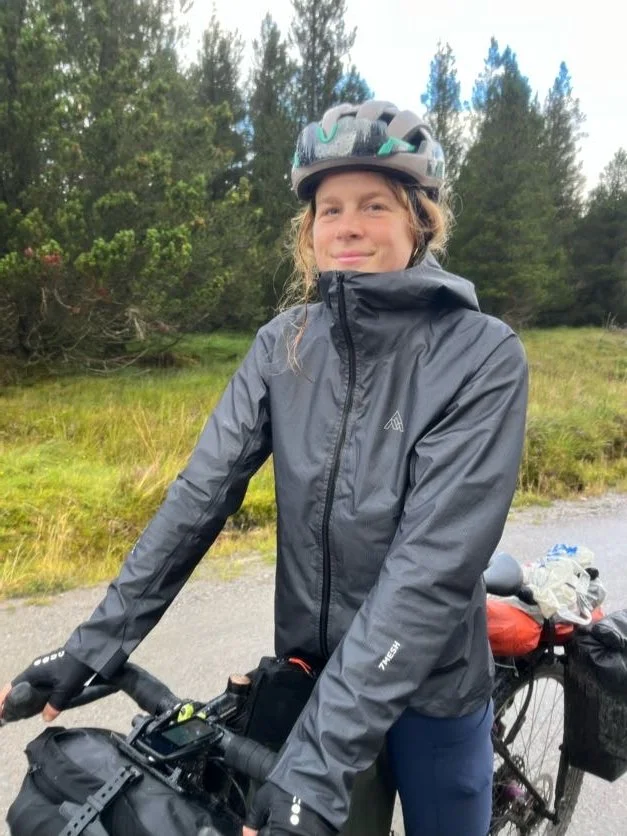
I particularly liked the cut too. I usually prefer men’s outdoor jackets, as women’s versions are unnecessarily waisted or curved, but this one fit me well without being cinched in. The long sleeves immediately looked promising for cycling, and the hood was roomy enough for a helmet (maybe too roomy without).
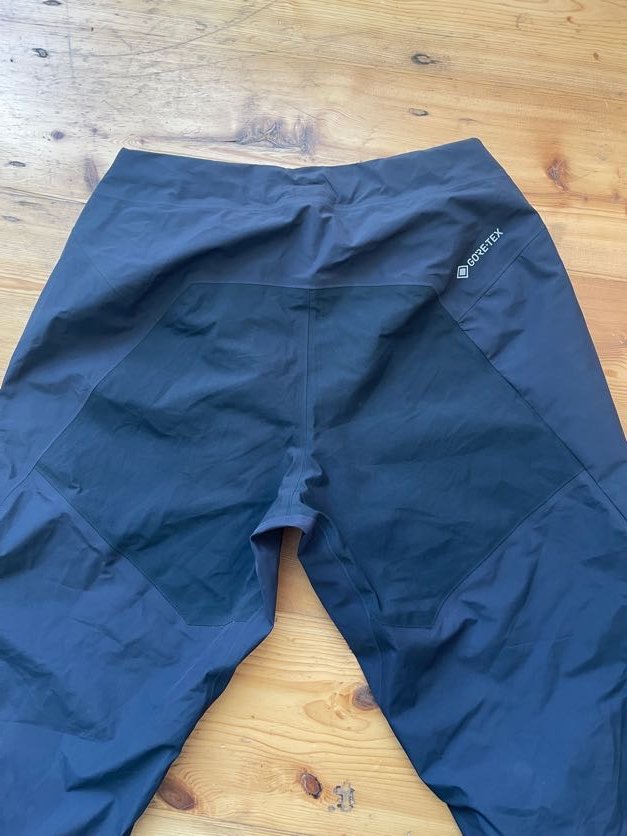
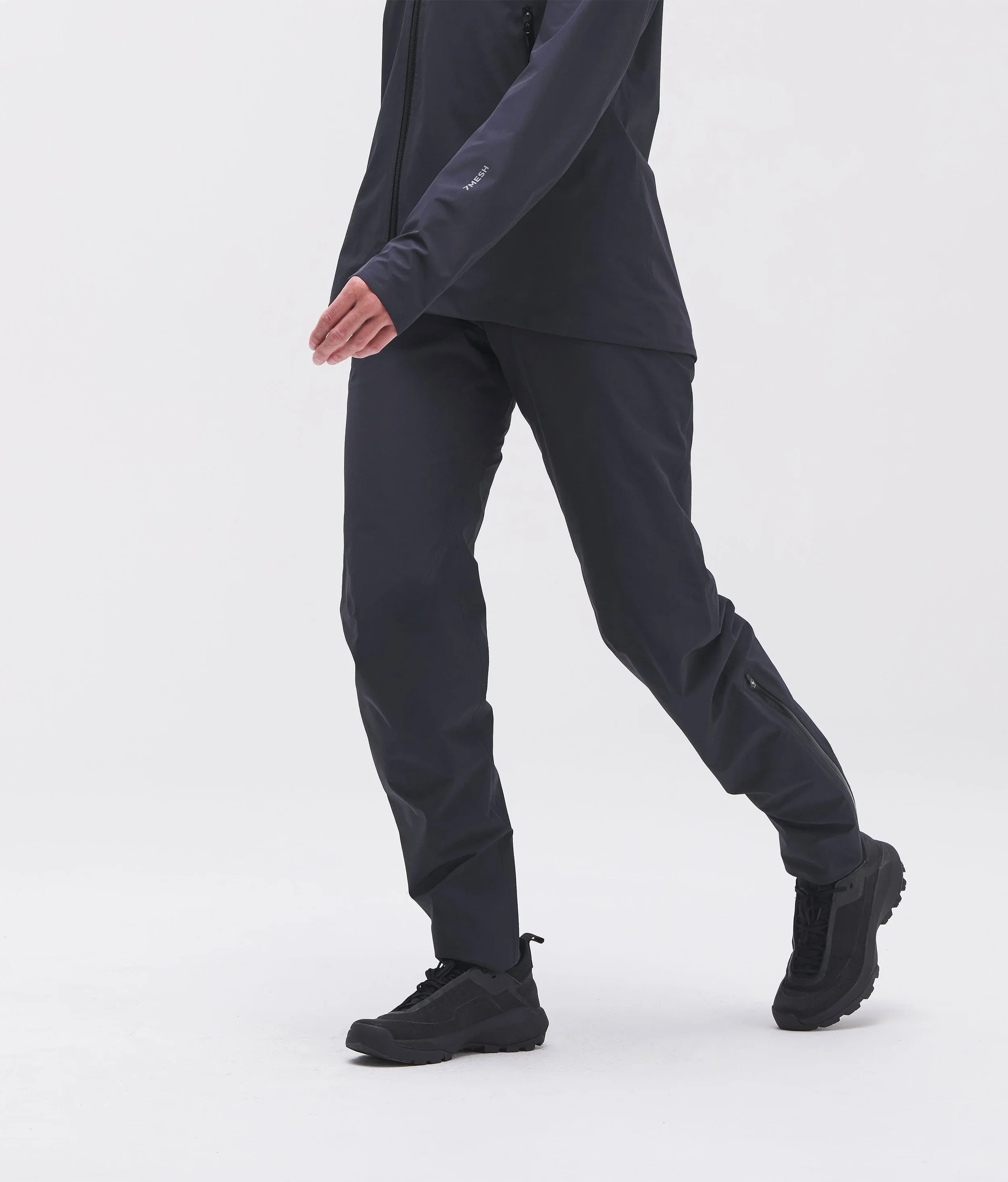
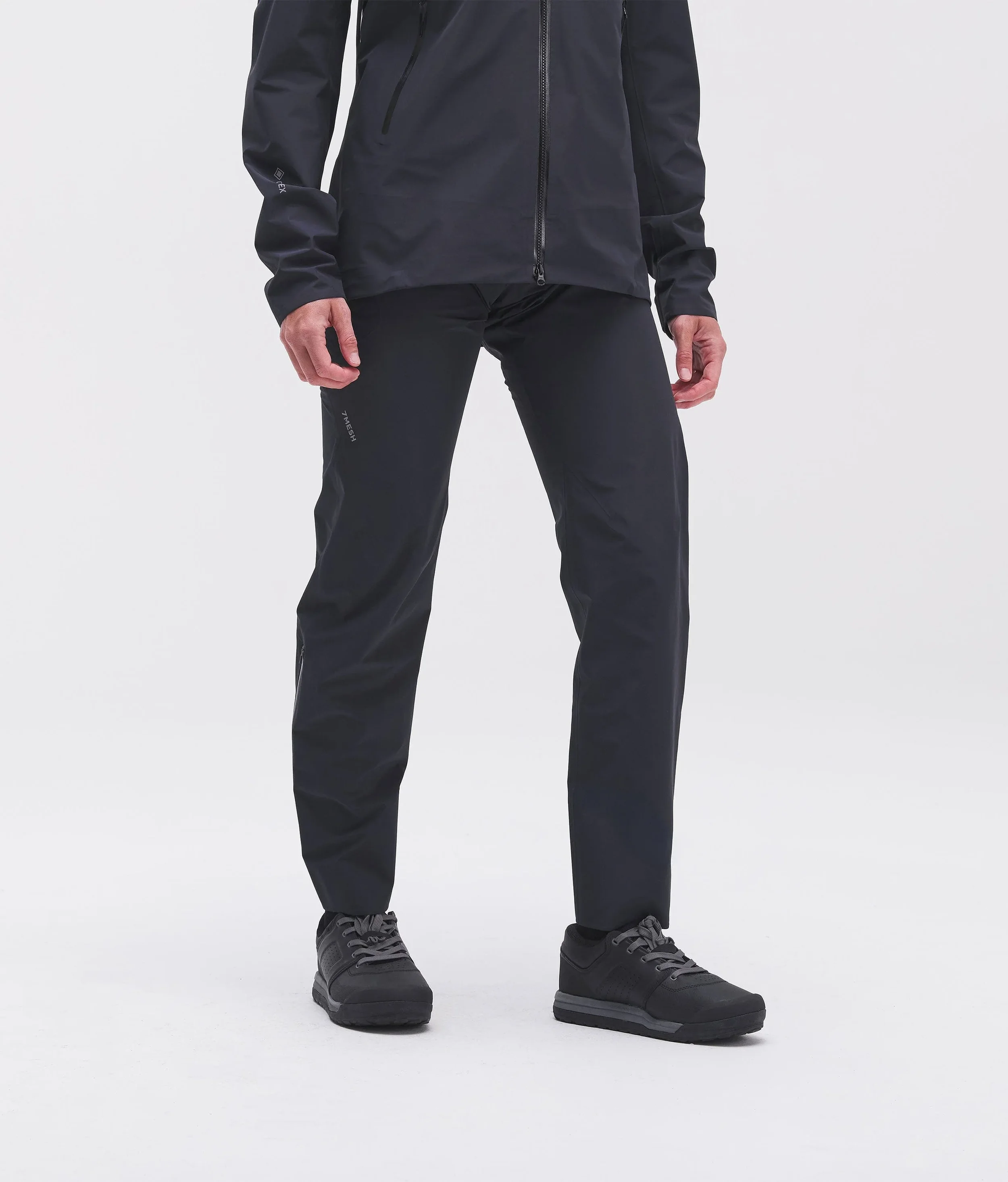
The trousers too were particularly sleek and surprisingly soft for GORE-TEX – not the usual crinkly feel, but as with the jacket’s lack of pit zips, I was concerned the trousers had no ventilation whatsoever (my others have side zip vents). The trousers felt quite baggy when over bib shorts, but waist straps provided enough adjustment to cinch them in, and I was glad of the extra room while wearing them over other trousers.
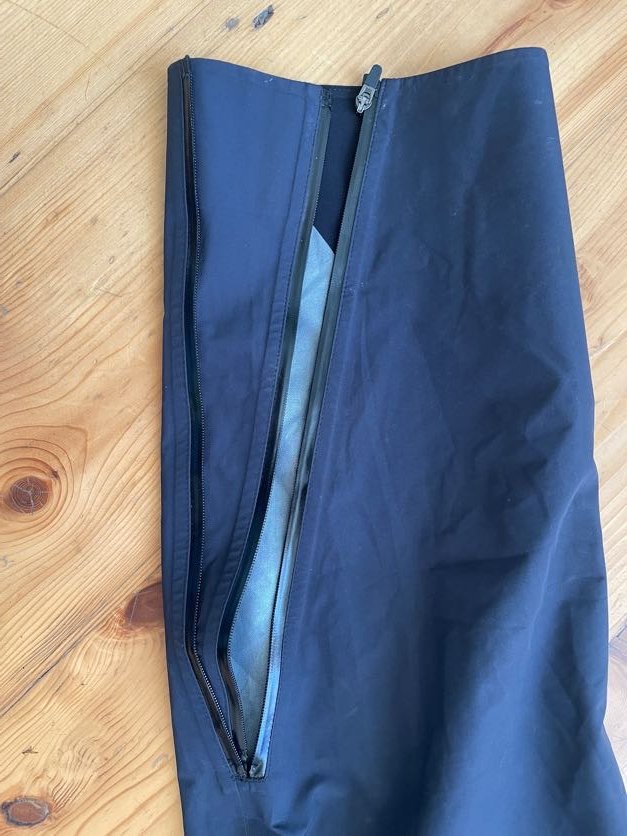
Cycling-specific waterproof trousers often work well with cycling shoes, but the two ankle zip options here meant I could put them on while wearing bulkier trail running shoes, and I expect they’d work with mountain boots too.
Put to the Test
Guardian Air Jacket
The early testing period was one of high temperatures with no precipitation, which revealed the biggest benefit of the jacket before it even saw proper rain – I carried it everywhere. In the heatwave, I carried it in a bag, stuffed into the pocket of my bib shorts, or clipped to my handlebars. It was a useful layer in the Alps on a 10-day hike, where it was still 27°c at 2,300m and too warm for a puffer at night. Quite quickly, I realised this was a significant change from my other waterproof options – it was small enough I didn’t resent carrying it.
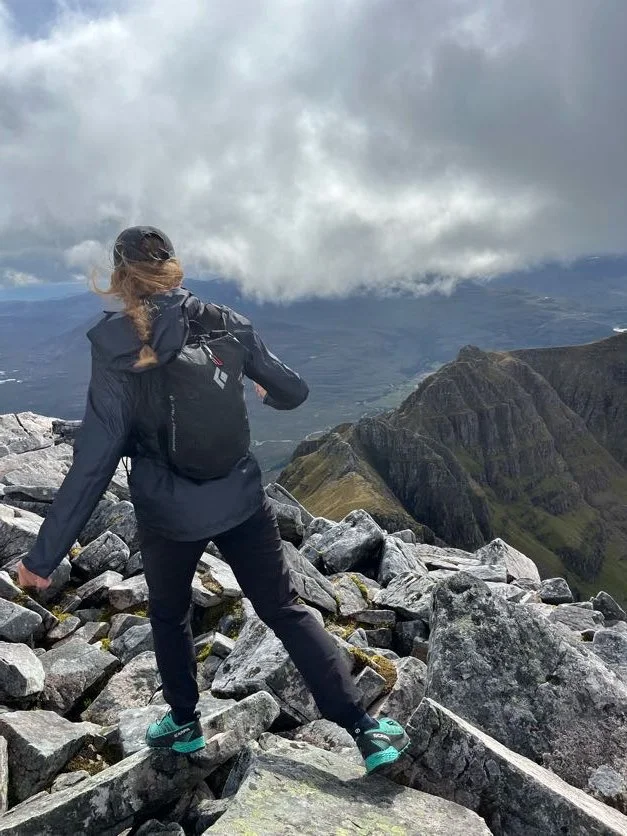
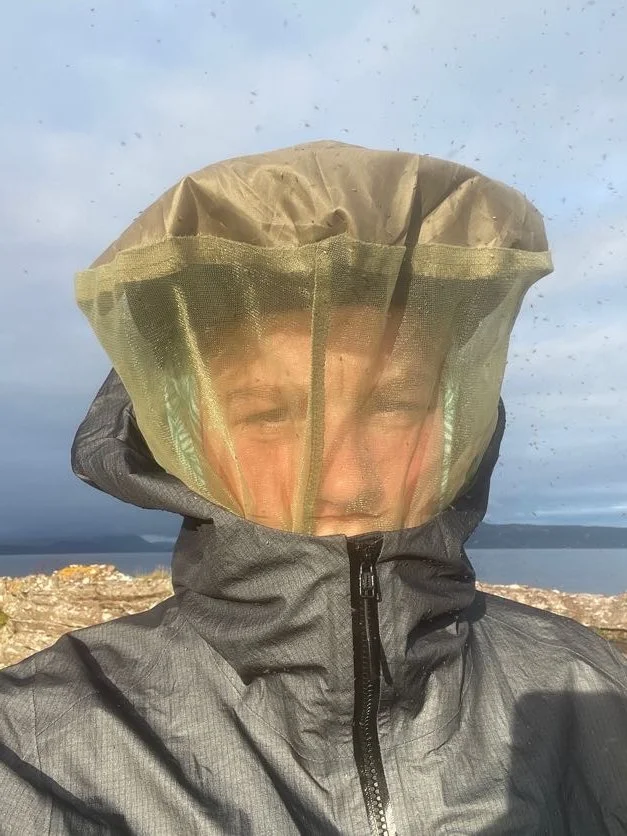
Come early September, and a proper opportunity to test presented itself on a ‘coolcation’ to the Scottish highlands where, predictably, we had rain 8 days out of 10. The change in coating of the ePE GORE-TEX means water didn’t bead as satisfyingly on the Guardian Air as it does on other waterproof apparel I’ve owned, but still kept me dry after many hours of wet-weather riding and scrambling, and also dried very quickly in a breeze or hanging up in an airing cupboard.
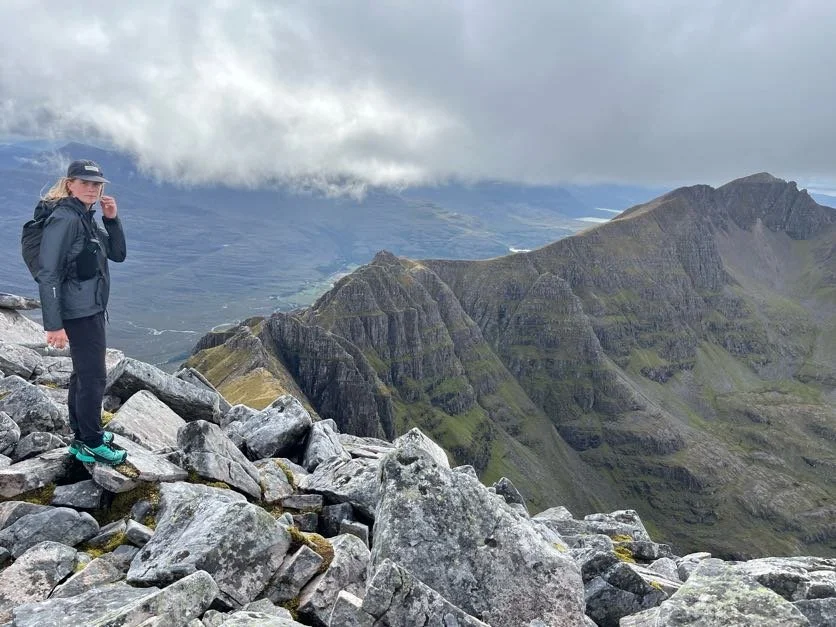
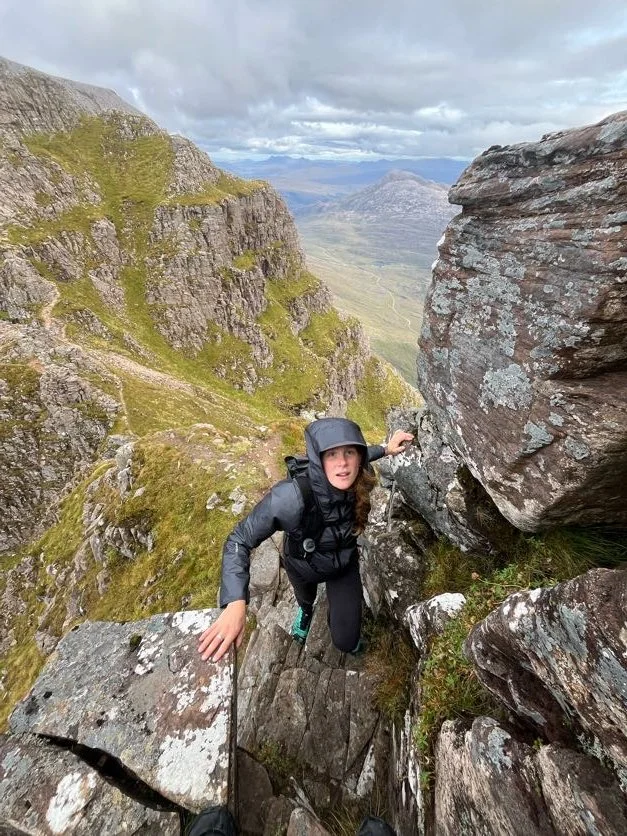
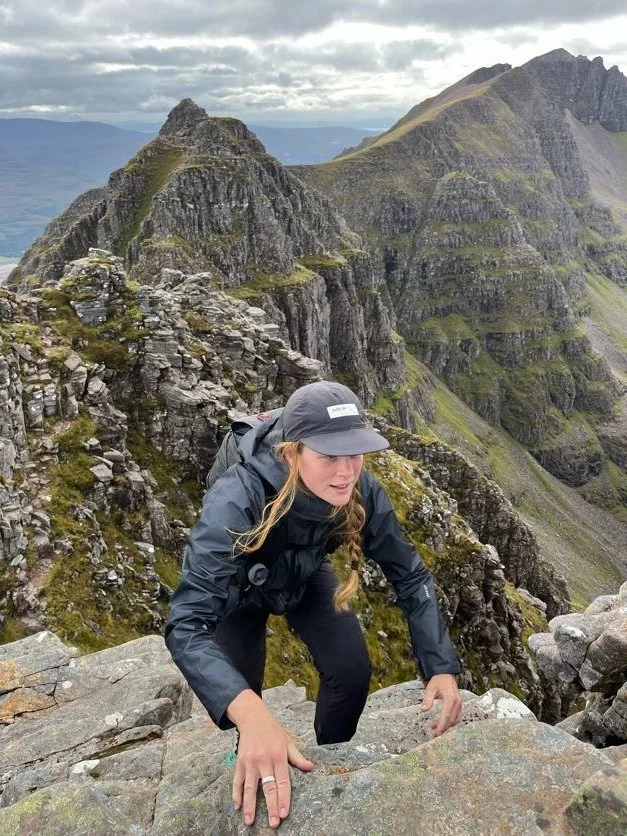
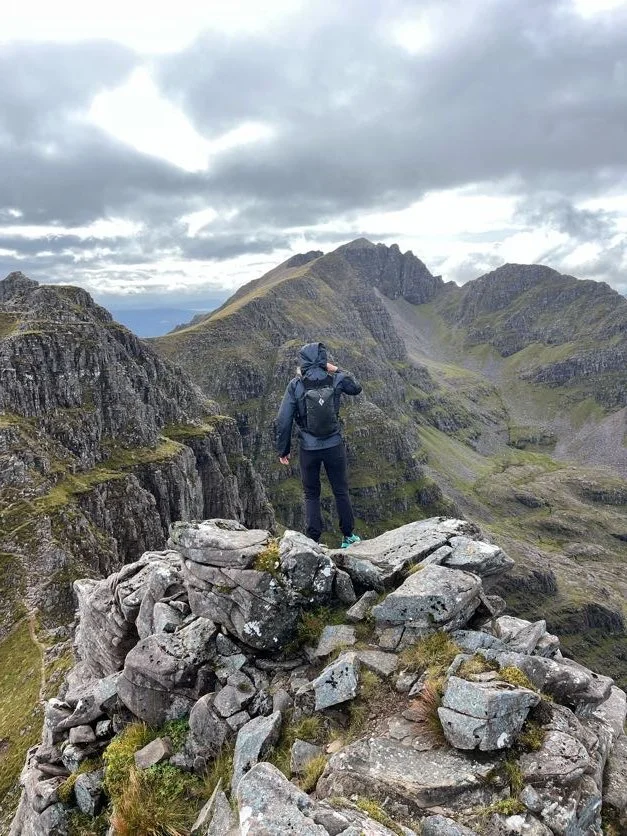
Its first serious outing was on the Liathach traverse in Torridon – a hands-on scramble where I didn’t want to be faffing around taking layers on and off as effort levels change. I used the two-way zip to increase ventilation, and while pit-zips would’ve been more effective at getting airflow while staying dry, this is the sacrifice paid for such a lightweight and packable jacket.
A few days later, slogging up the Corrieyairack Pass on my loaded gravel bike in sideways rain, I decided to keep the jacket on and accept I’d probably get sweaty. Surprisingly, I didn’t. I’d usually expect to put on a warmer layer before a descent, but after a 90-minute gravel climb, I was dry enough inside the jacket to simply zip up and start heading down to the bothy on the other side. This breathability* was probably the biggest validation of the jacket for me.
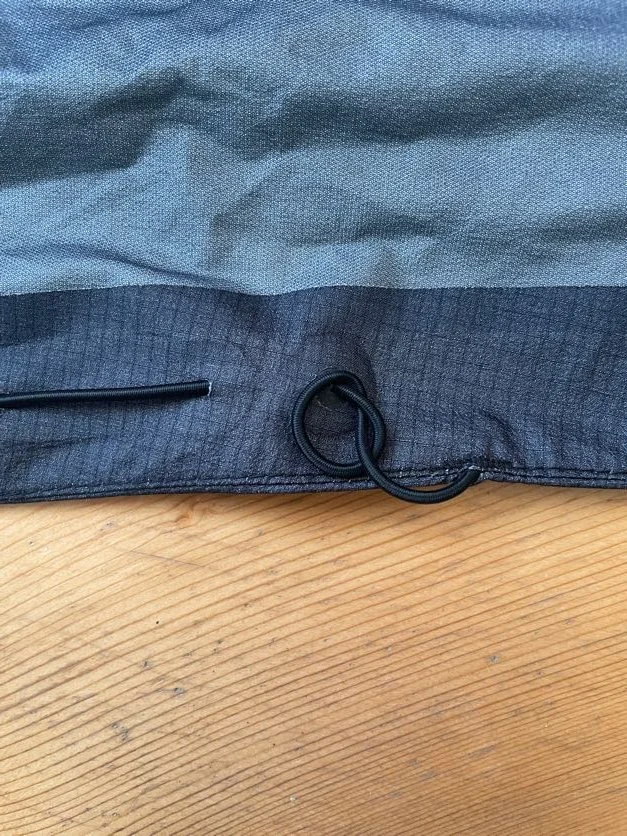
On the bike, longer sleeves also provided better coverage than I get from my other jackets. The hood is definitely roomy enough for a helmet, and can be cinched down or rolled away with a snap when not in use. A minor note, but the pull-cord on the zip was tricky to use with gloved or wet hands while riding, but the pullcords elsewhere on the jacket were intuitive and straightforward.
*A note on breathability: there is currently no official rating for ePE garments, but GORE-TEX claims it is comparable to other fabrics. Usually, waterproof fabrics are measured on a Moisture Vapor Transmission Rate (MVTR), measured in grams of water vapor passing through a square meter of fabric over 24 hours (g/m²/24h). Higher numbers mean more breathability. GORE-TEX claims ePE to be comparable.
Guardian Apex Pants
I tend to think of waterproof trousers as something to wear only when it’s too wet to pretend you don’t need them. Once I’m working hard, condensation makes them clammy and uncomfortable. But in Scotland, there were plenty of occasions where they were absolutely justified – both on the bike, and moving on foot. The reinforced seat was particularly useful when stopping to sit in wet conditions, and I’m sure they’d keep your butt dry on snow too. The two-position zip options on the ankles were genuinely useful for getting the pants on and off over chunkier trail shoes, and it was great to have slimmer/wider options for both on and off the bike.
The single pocket doubles up as a stash pouch, and when worn can fit a phone but not much else. A lack of ventilation remains the obvious compromise, and I did find myself getting warm when working hard. In much cooler temperatures, I can imagine these functioning well as an all-day pair of trousers with leggings underneath, though I’m not sure I could live without vents while skiing uphill.
Overall, the fit and function of both the Guardian Air Jacket and Apex Pants worked very well for multi-activity trips like this one – nothing felt cycling specific, and the minimalism meant they were carried everywhere with me. At a combined weight of just 405g for both garments (women’s medium), they are doing a lot with very little weight, bulk or features, and that’s exactly the sort of gear I want to carry with me on any future adventures by bike, foot or skis. Despite its waterproofness, I would be hesitant to take the jacket mountaineering with fear of it easily ripping on rock, though it did hold up well on the Liathach traverse.
Guardian Apex Pants
Key Features
Guardian Air Jacket
Key Features
Lightweight and packable
Comfortable fit for multi-sport use
Double ankle zips to accommodate different footwear
Reinforced seat for a dry butt
Specs
PFAS-free fully waterproof (28,000mm+ water column rating)
No-flip belt, with low profile locking adjusters
Two position side hems to accommodate different footwear
Mountaineering / Hiking Boot Compatible
Packs into pocket
Front fly
Single side pocket
Reinforced seat and instep
RRP £350
Lightweight and packable
Longer sleeves, great for riding
Helmet-compatible hood for cycling, climbing and skiing
Roomy fit for layering in different conditions and activities
Specs
PFAS-free fully waterproof (28,000mm+ water column rating)
CrossPull Hood with Stowaway Snap
StashSystem
Adjustable cuff opening compatible with or without gloves
One-handed glove-friendly hem pull cords
Double Headed Slider / Two Way Zip
Internal Double Pocket Configuration
RRP £400
© 7Mesh
Rating
4.5/5
Pros
Lightweight and packable, perfect for adventure sport weight weenies
Waterproof and breathable in test
Two-way zipper for venting
Roomy fit and not overly cinched waist for a women’s fit
PFAS-free
Cons
Very pricey
No ventilation (you can upgrade to the Apex Jacket with vents for £100 more)
More care and maintenance required than older PFAS-containing waterproofs
Limited pocket options
3.5/5
Pros
Lightweight and packable, easy to stash at the bottom of a pack
Reinforced seat for comfort sitting on wet surfaces
Versatile fit for multi-activities and footwear
PFAS-free
Cons
Very pricey
No ventilation
Only one phone pocket
Not the most breathable in test
Are the 7Mesh Guardian waterproofs worth your money?
At £400 for the 7mesh Guardian Air Jacket and £350 for the Apex Pants, these are some of the priciest waterproof garments out there. If you’re planning to use them for multiple activities as 7mesh is marketing the new Guardian collection for, your cost-per-use improves dramatically if this replaces several pieces of kit. But if you’re just after something for cycling then there are more affordable options out there.
With PFAS phasing out, the one snag of new ePE apparel is that it requires much more care to maintain its performance, and wearers will need to be more conscious of contamination from things like chain lube.
For this hot-running, weight-obsessed jack-of-all adventures, I’m glad to have found waterproofs that I will carry with me without a second thought.